
Bird Buddy 2: Two-minute review
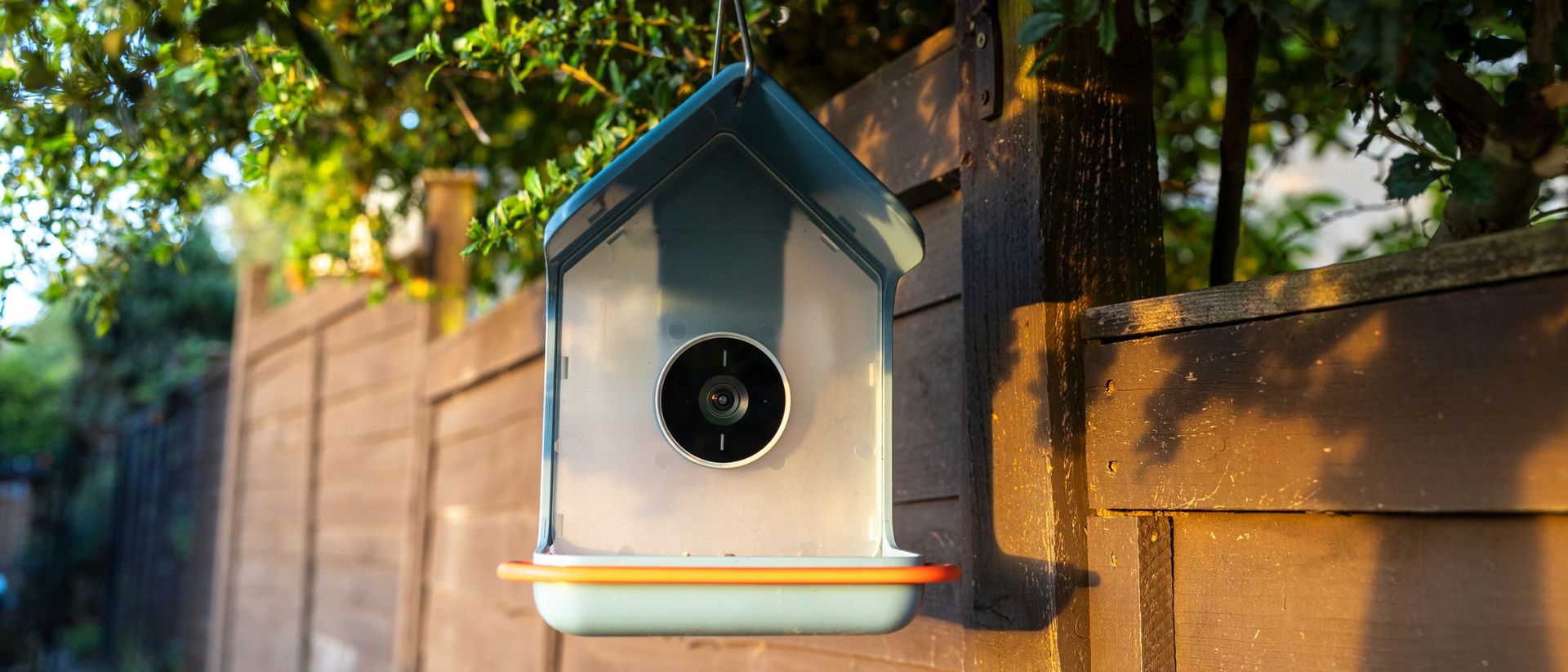
The Bird Buddy 2 is the next-gen smart feeder on from the sleek, popular Bird Buddy Smart Feeder Pro. It shares the same integrated solar roof panels but has a new circular magnetic camera unit that pops out and rotates instantly between 9:16 portrait and 16:9 landscape modes.
More than six months after first hanging the Bird Buddy 2 in my garden, I'm delighted with its build quality and solar efficiency; however, it's fair to say my relationship with this smart feeder is still a mix of genuine appreciation and lingering frustration.
The feeder's integrated solar roof has kept the camera powered continuously for over half a year without me needing to bring it inside to charge once (which is good, as this is a fiddly job).
Combine that with its neat, easy-wipe, plastic build, clean refill design, and a charming app full of postcards and daily highlights, and I think it remains one of the most enjoyable, albeit pared-back smart feeders on the market. The equally popular Birdfy ecosystem offers more functionality, whereas I see Bird Buddy aiming for a simpler user experience.
Although it's easily rotatable, the camera is fixed facing forward, and framing isn’t quite right for landscape mode. The shallow seed tray means smaller birds sitting right in the seed for a good munch get cropped at the bottom of the frame. But now that 2K Ultra video resolution is available to Premium users, it takes the clarity of footage to an impressive level.
As I’ve said, one of the big selling points of the Bird Buddy app is how user-friendly and engaging it is, but this can come at the detriment of basic usability features – such as having customizable sleeping hours – meaning my camera regularly missed the earliest (and often most active) morning visitors because it’s not awake to record them.
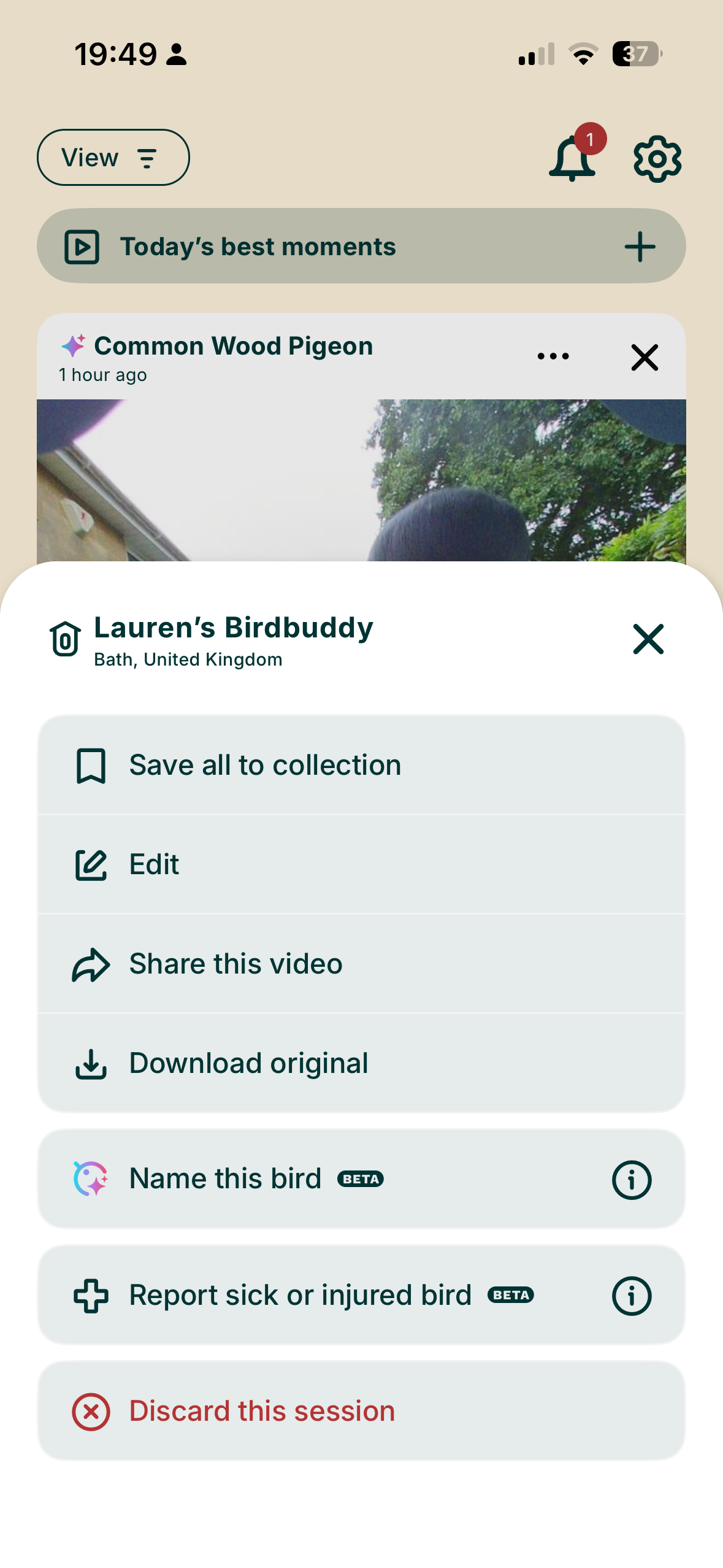
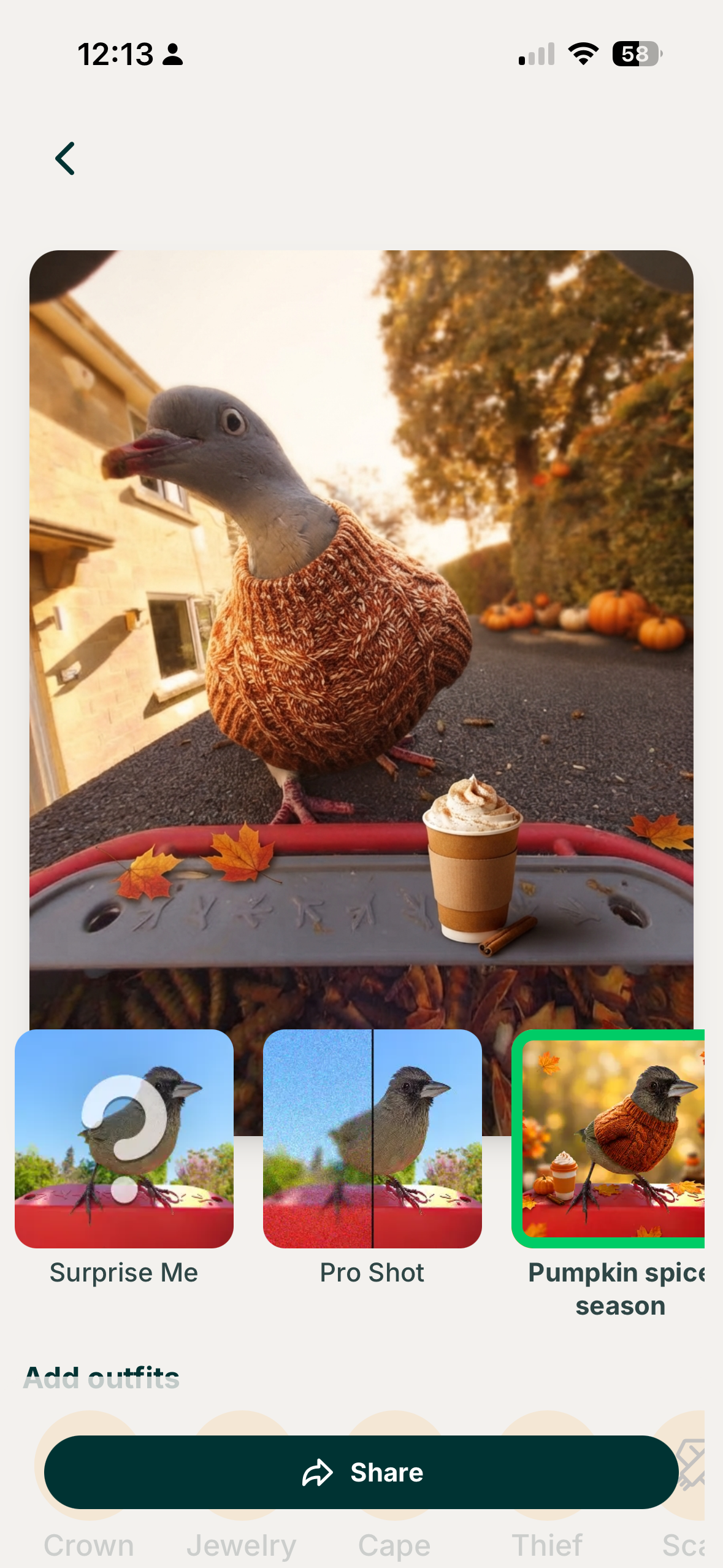
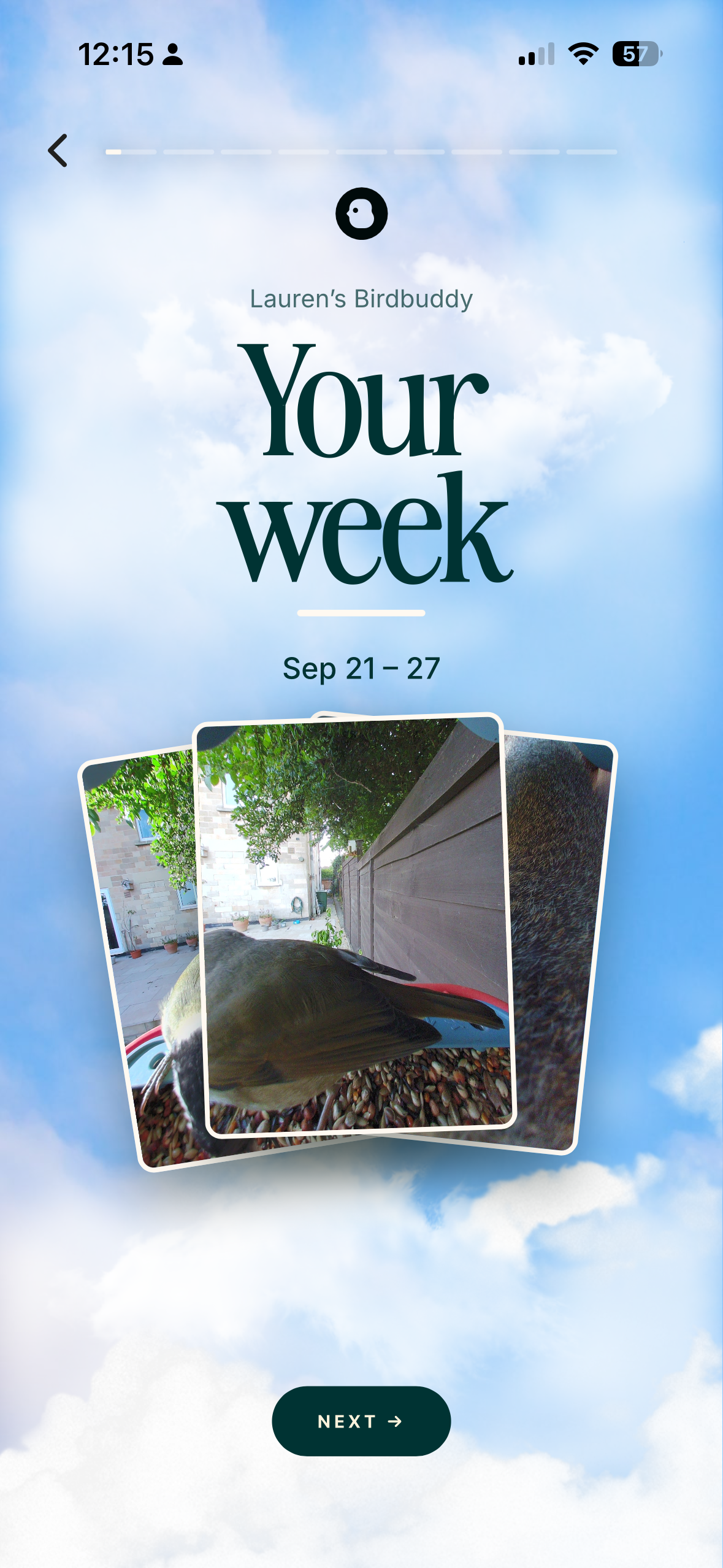
But I do love how easy it is to keep your feed organised. New postcards will stay in your active feed for a week. From here, you can choose to collect or discard them (and the collection is where postcards stay permanently), which means the onus is on you to curate your sightings and choose the best clips and stills.
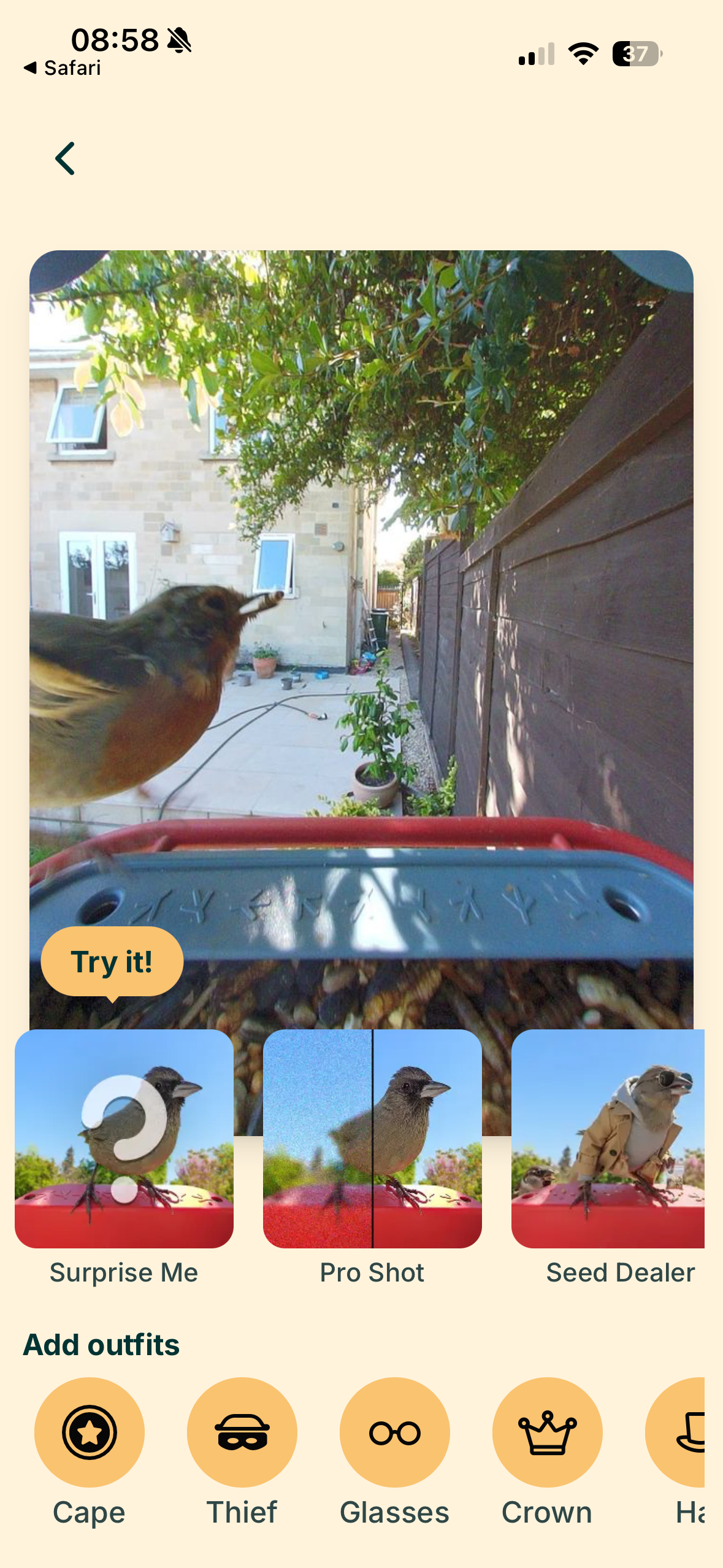
I'm not sold on the app feature to give images filters and birds outfits – but if it helps entice younger users into birdwatching, then maybe it's not such an awful idea. There's also a lot of educational content, with Birdy Buddy feeding you tidbits of facts about identified species.
- Interested what other options are available besides the Bird Buddy 2? Check out our best bird feeder cameras guide.
I found live streaming to be occasionally laggy, sometimes not loading at all, and even when I set the camera to Frenzy Mode, the AI postcard capture missed birds I could clearly see sitting on the feeder from my kitchen window. It’s not the most reliable feeder I’ve used, and not ideal if you want to capture every single bird and build a picture of their visiting habits; however, it does stop your feed from getting clogged with thousands of similar clips.
Despite these niggles and quirks, I really enjoy the core experience. The AI bird identification is almost perfect, the postcard collection system provides a handy highlight reel, and the solar roof means near-continuous use.
The Bird Buddy 2 is a sleek, low-maintenance smart feeder with strong app design and best-in-class solar performance. For now, it earns its spot in my garden (and believe me, I have four smart feeders on the go), though I can’t help thinking about its price and hope tighter bird detection lands in future updates.
Bird Buddy 2: Price and availability
- Wider release rolled out in mid-2026
- Available via Amazon US and Amazon UK
- $299 in the US (approx. £300)
At $299 in the US and about £300 on Amazon UK, the Bird Buddy 2 sits firmly at the premium end of smart bird feeders. It demands a serious investment compared to standard single-camera setups and sits noticeably higher than competitors like the Birdfy range (even the dual-lens Birdfy Feeder 2 Pro at $279).
Bird Buddy is fully functional without a paid subscription, however, giving you AI species identification, live streaming, and daily Postcards for free. The Bird Buddy Pro subscription ($5.99/month or $59.99/year) is optional and unlocks longer video clips, 2K Ultra Resolution, Alexa integration, species-specific AI filtering and more.
US buyers can order directly from Bird Buddy or Amazon, but the brand doesn't currently ship the Gen 2 directly to the UK via its official site. That leaves Amazon UK (around £300) as the main route for UK buyers to get hold of one.
That price tag covers the built-in solar roof, but you don't get accessories like a wall mount in the box, and mounting poles are separate, too (less surprising). The Bird Buddy 2 is undoubtedly a steep purchase, with extra costs for the Premium features like 2K Ultra footage. I think a handful of keen and more technically-minded birders spending this much might feel short-changed.
Bird Buddy 2: Specs
Feature | Specification |
|---|---|
Sensor | 1/2.8" |
Photo quality | 5MP - HDR, 66–150mm (2.6–5.9 in) focus range with a 135-degree FOV |
Video quality | Up to 2K @ 30fps (with HDR), Slow motion up to 95-120fps @ 960p |
Memory | N/A - online storage |
Dimensions | 160 (W) x 230 (H) x 175 mm(D) |
Weight | 600 g (approx. empty) |
Weather resistance | IP67 Certified |
Battery | 3900 mAh rechargeable lithium-ion |
Connectivity | Dual-band Wi-Fi (2.4 GHz / 5 GHz) and Bluetooth |
Bird Buddy 2: Design
- Flush solar roof for cable-free, continuous power
- IP67-rated weatherproof housing
- Magnetic camera module for quick portrait and landscape switching
I found setting up the Bird Buddy 2 pretty painless; a booklet in the box details assembly, plus an app walkthrough. Like all smart feeders, you need to download the app first, then follow a series of illustrated steps to set up the Wi-Fi connection between your phone and the camera. It takes no more than five minutes and has been well thought through.
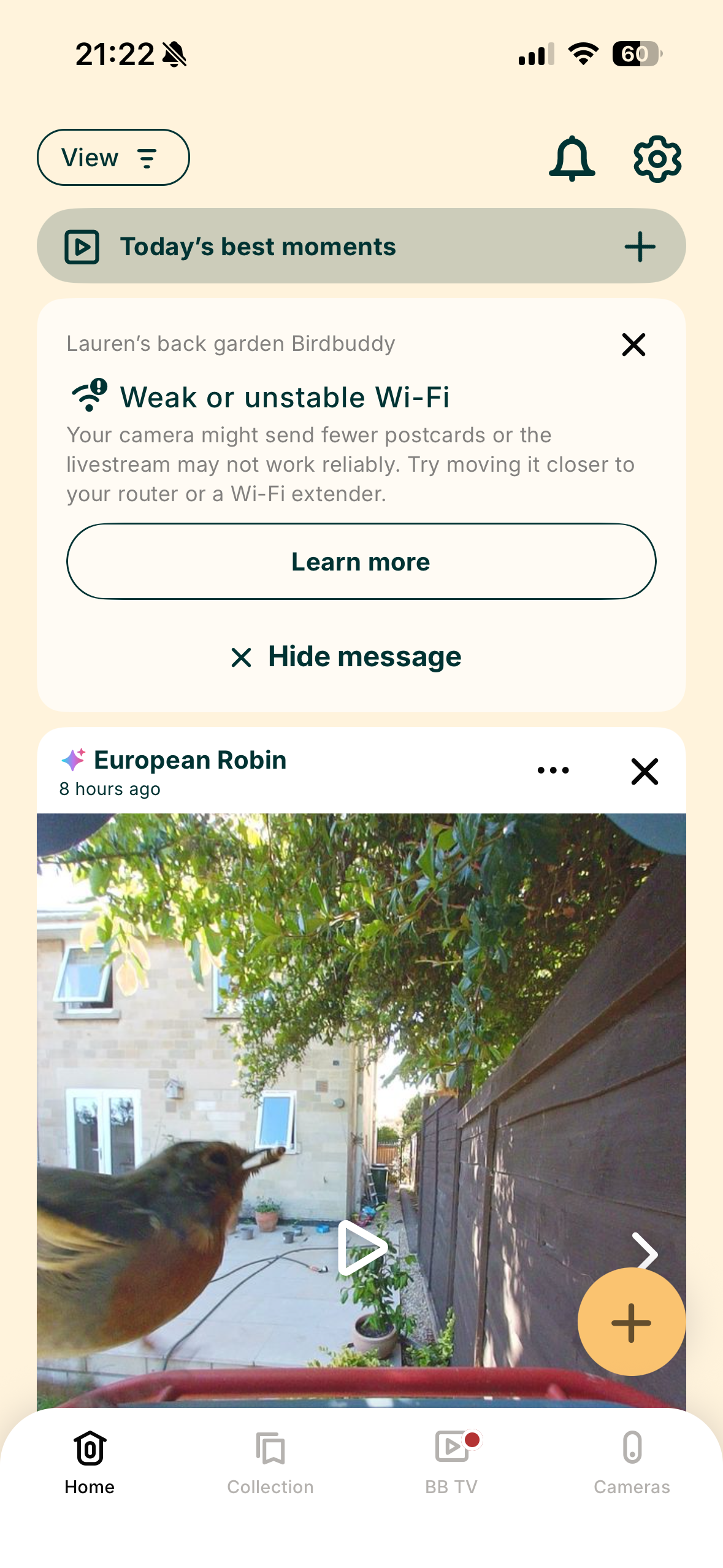
Initially, I connected the Bird Buddy 2 to my main internet router (likely about 12 metres away), as it said there was a strong signal. But each day I checked the app status, and it flagged that there was a low, unstable signal, and this may affect the number of postcards I was getting. Well, reader, it did just this, as I regularly watched a couple of blue tits land, feast and fly off from my kitchen window without any notifications.
I then added a wireless extender much closer to the garden and the camera. You can't change the Wi-Fi network on the camera directly in the app and instead have to factory reset the device and pair it again as a new one. This doesn’t lose postcards and your history as I thought it would; it’s more just a faff.
I’ve tested over ten smart bird feeder cams in my garden before, and the Bird Buddy 2 stands out for its clean aesthetics. It’s still plastic (recycled ASA plastic with an IP67 weather rating) rather than wood or bamboo, but the housing feels solid and has resisted any signs of UV fading over a very hot, bright British summer. Crucially, I’ve also found it fairly easy to keep clean, but you can't dunk the whole feeder in water to avoid getting the USB-C charging point wet.
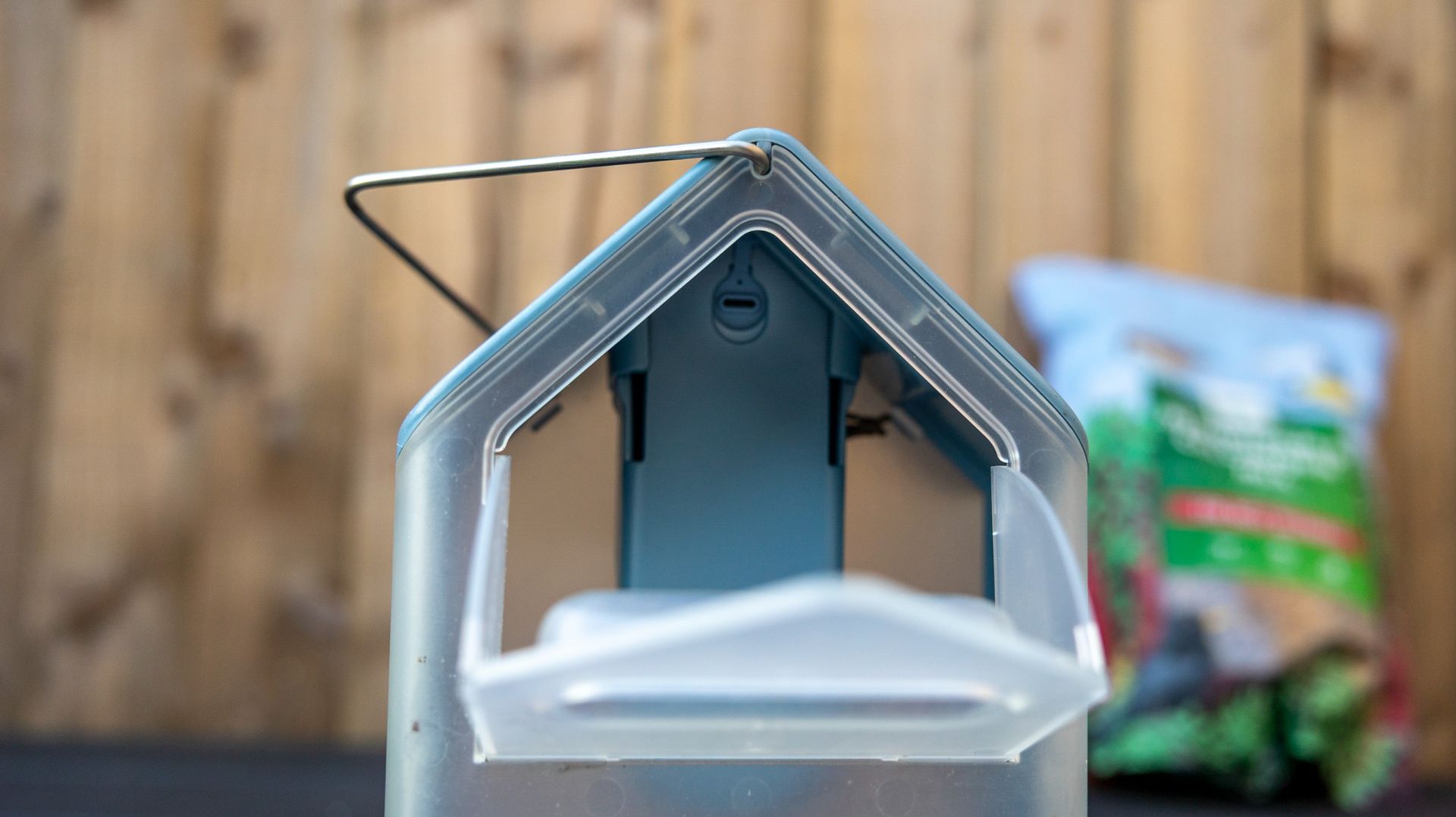
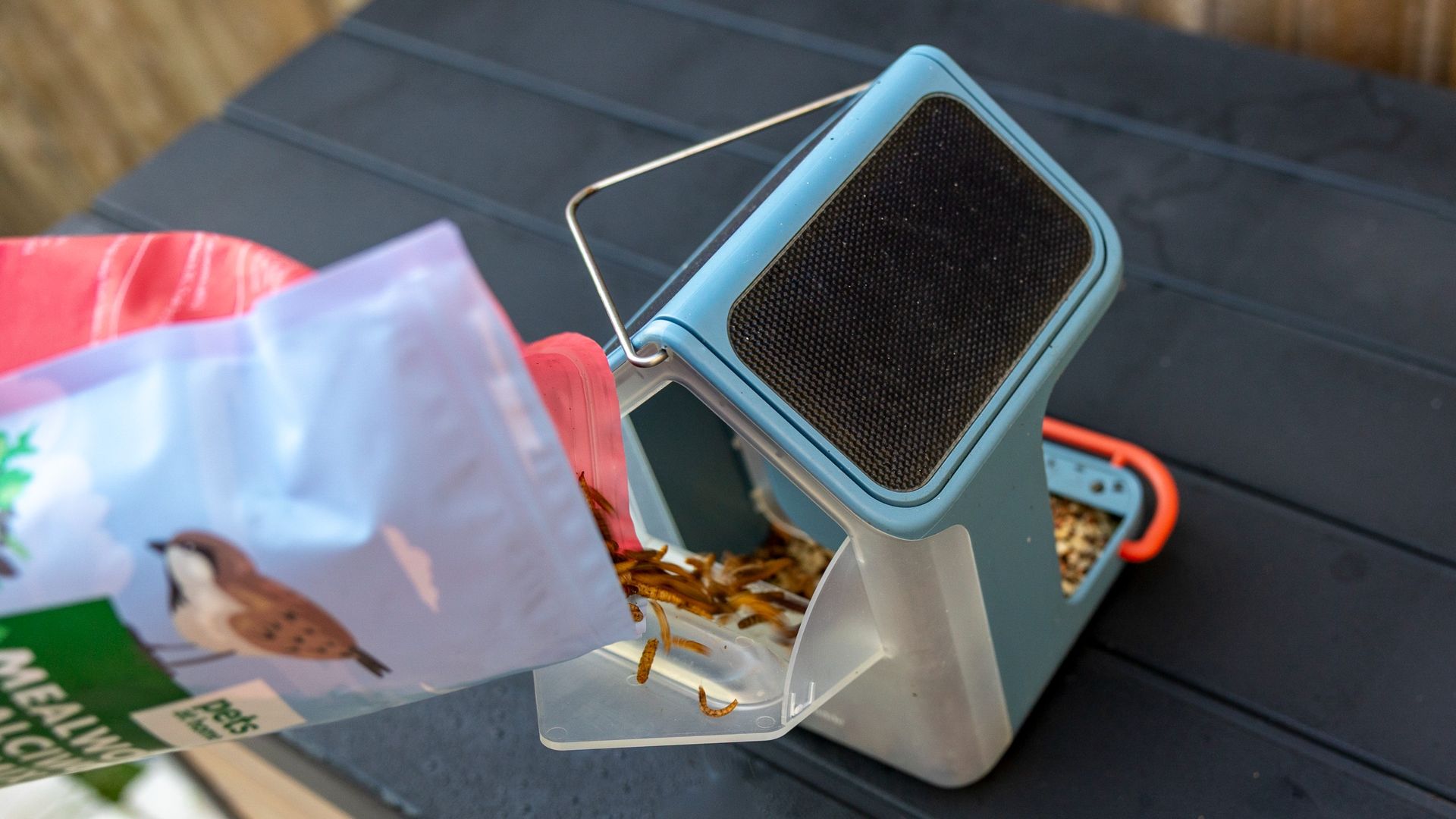
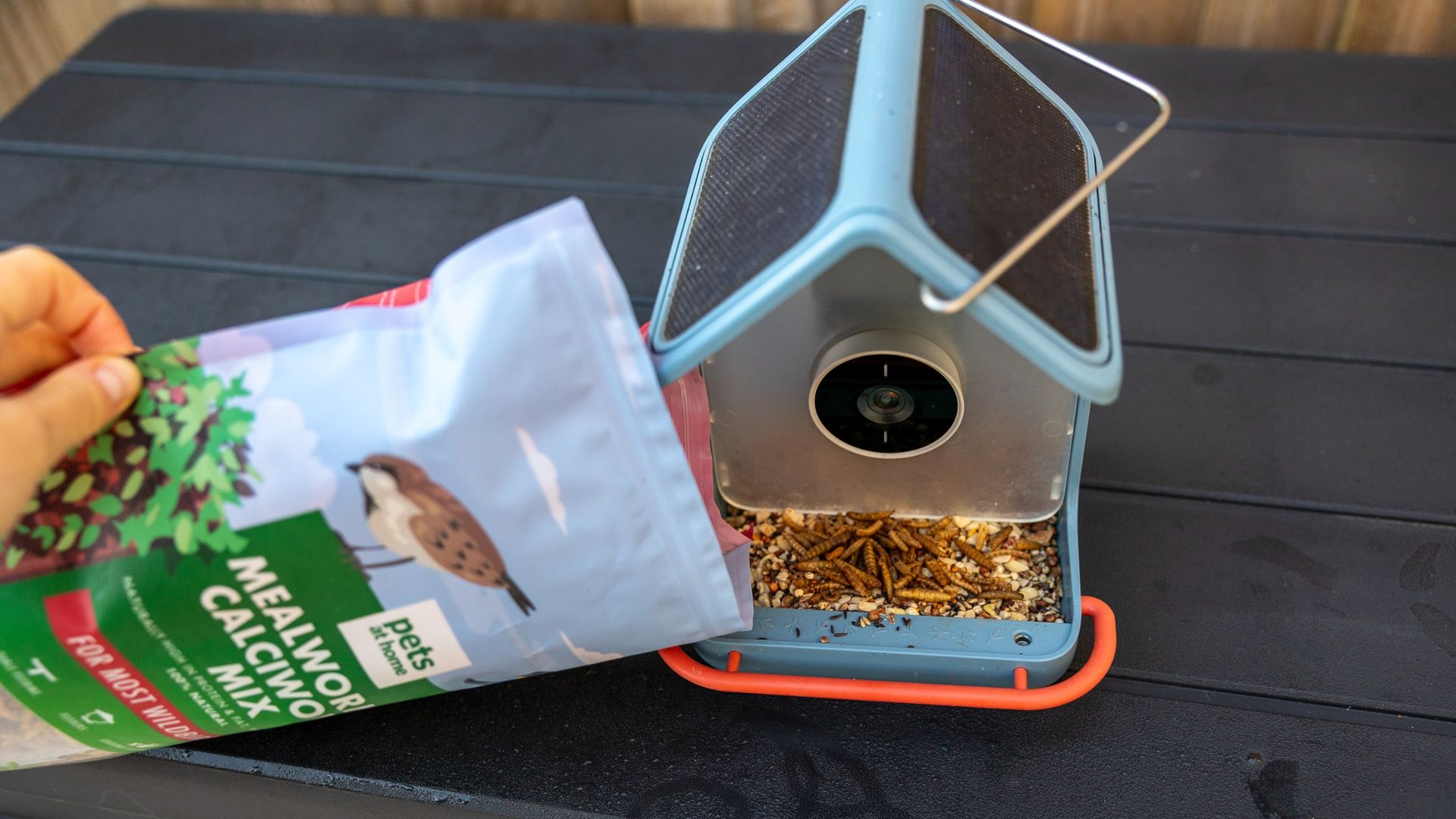
On earlier units, you could pop the camera out to charge and leave the feeder hanging outside. With the Gen 2, because the solar roof and camera housing are wired together, offline charging requires unhooking the entire dirty feeder or wrestling with the mounting bracket outdoors. At least the solar roof panels sit flush against the top without trailing cables or awkward side arms. Top-ups are easy thanks to a rear-sliding tray that lets you pour seed in without spilling. There’s less room for access than other feeders I’ve tried where the lid totally comes off, but it’s nice and secure.
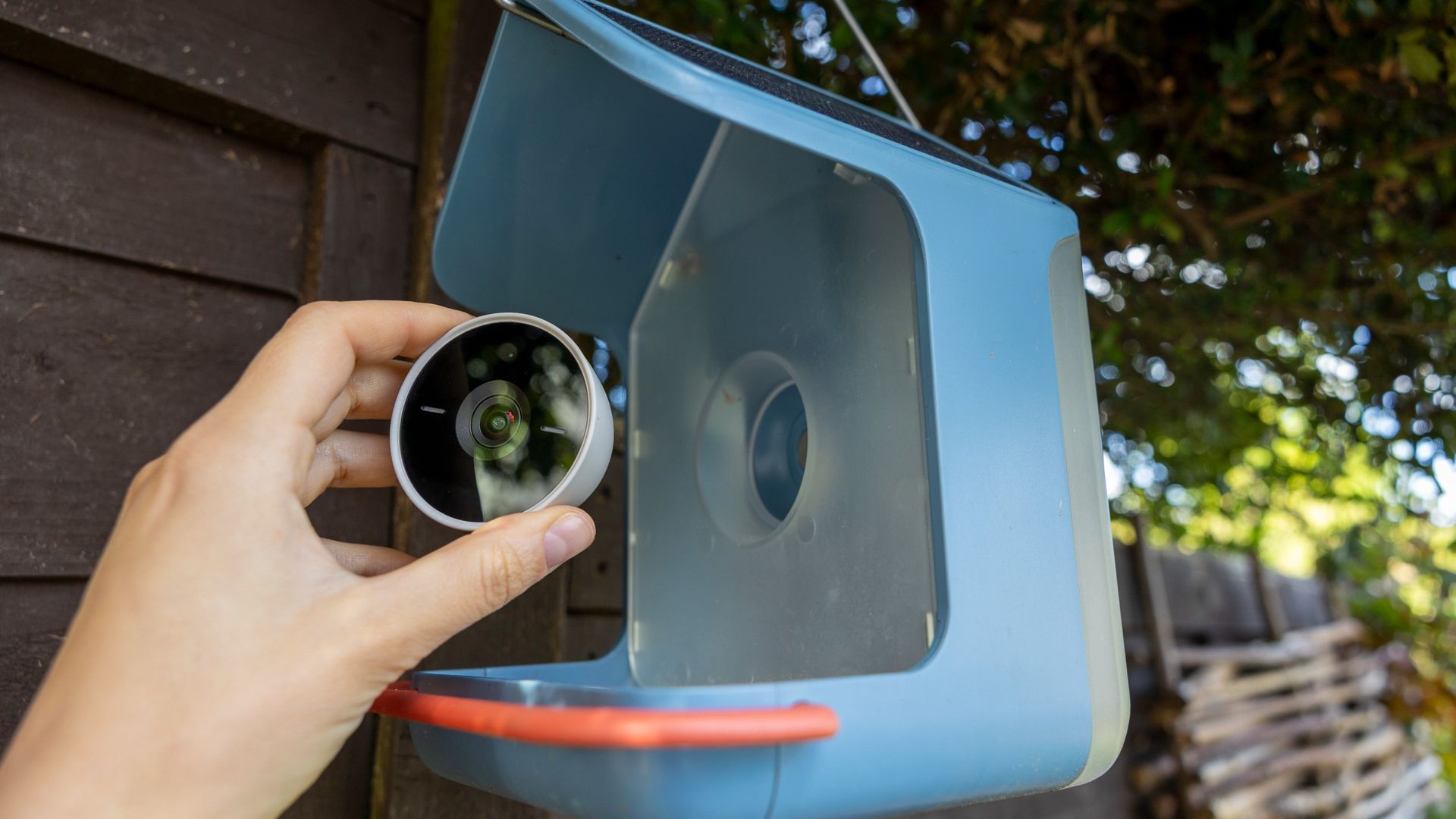
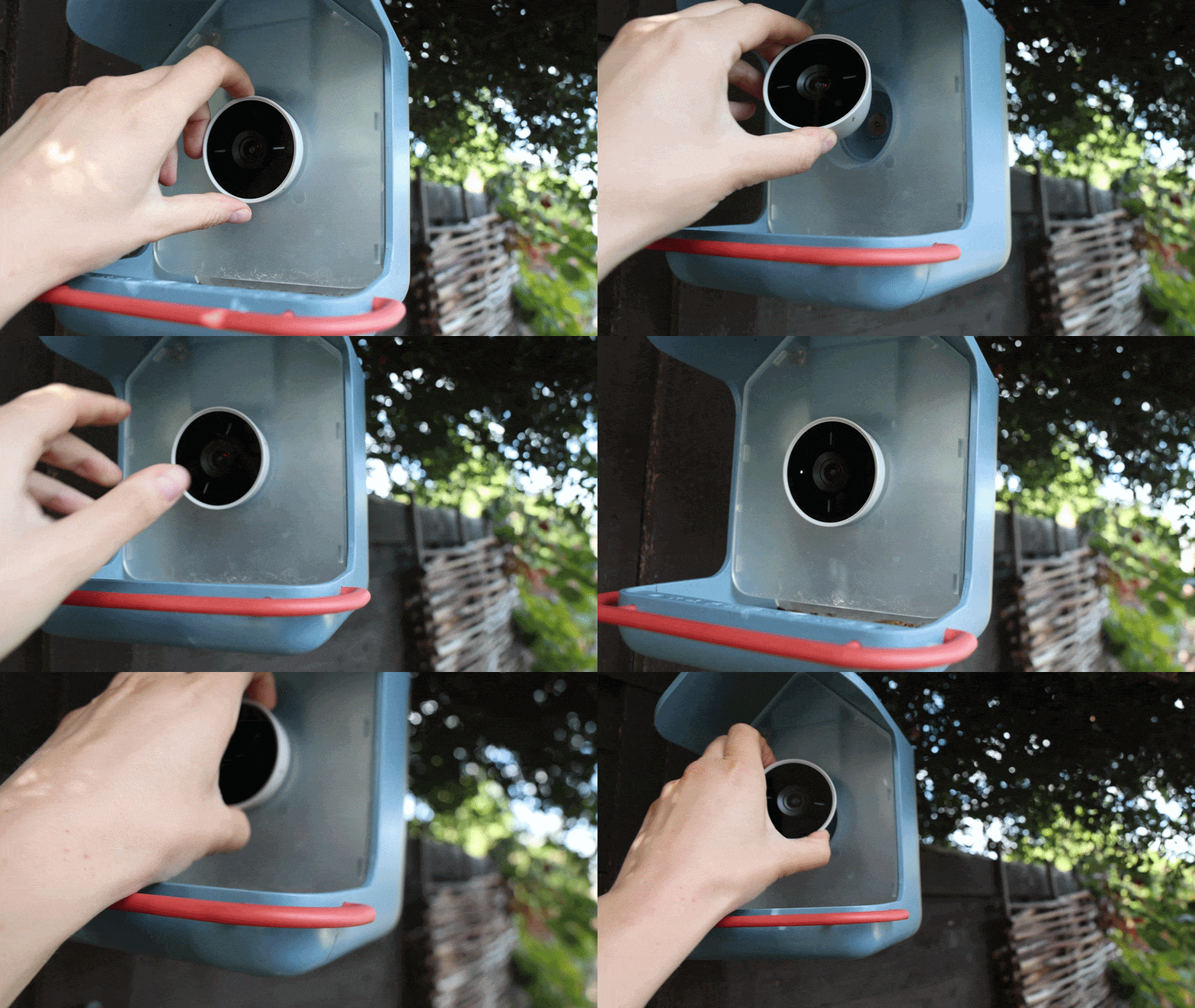
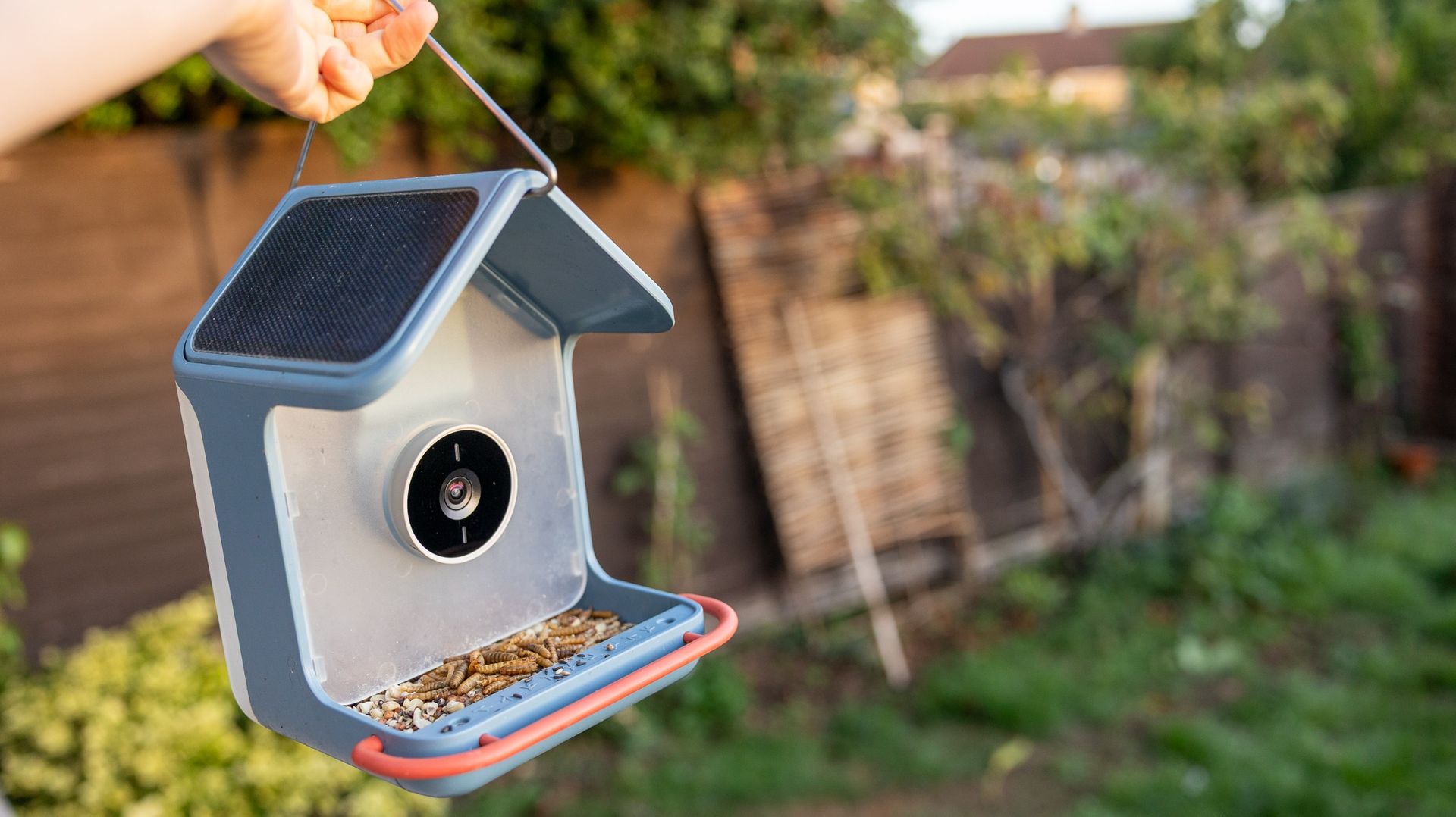
The biggest design change on this second-generation unit is its circular, rather than pill-shaped camera module. It attaches in a magnetic socket behind a scratch-resistant Gorilla Glass lens, and can be twisted 90 degrees to flip between vertical (9:16) and widescreen (16:9) modes on the fly. For bird photographers who are more accustomed to landscape framing, I think it’s a welcome addition.
However, I found that the seed tray depth negates some of the benefits of having two different views. Because the tray floor sits close to the lens mount, small garden birds often drop low into the seed to feed. In both portrait and landscape orientation, this leaves their bodies cut off by the bottom lip of the frame, resulting in video clips that showcase plenty of background trees but only the top of a bird's head.
There are several ways to mount the Bird Buddy 2. The easiest is to use the metal hanger wire included in the box, which keeps the feeder suspended from a hook or branch in your garden. I used this option and found the wire very strong, though the Feeder did sway slightly in high winds.
A bottom bracket adapter is included in the box, though Bird Buddy sells a metal mounting pole separately. A wall mount for fence panels and outside walls is another optional add-on, which is a shame, as rival Birdfy usually includes this option in the box.
Bird Buddy 2: Performance
- Flawless solar power over months
- 5MP images detailed in bright light; quality drops off in shade
- Engaging app experience, though the live stream is laggy
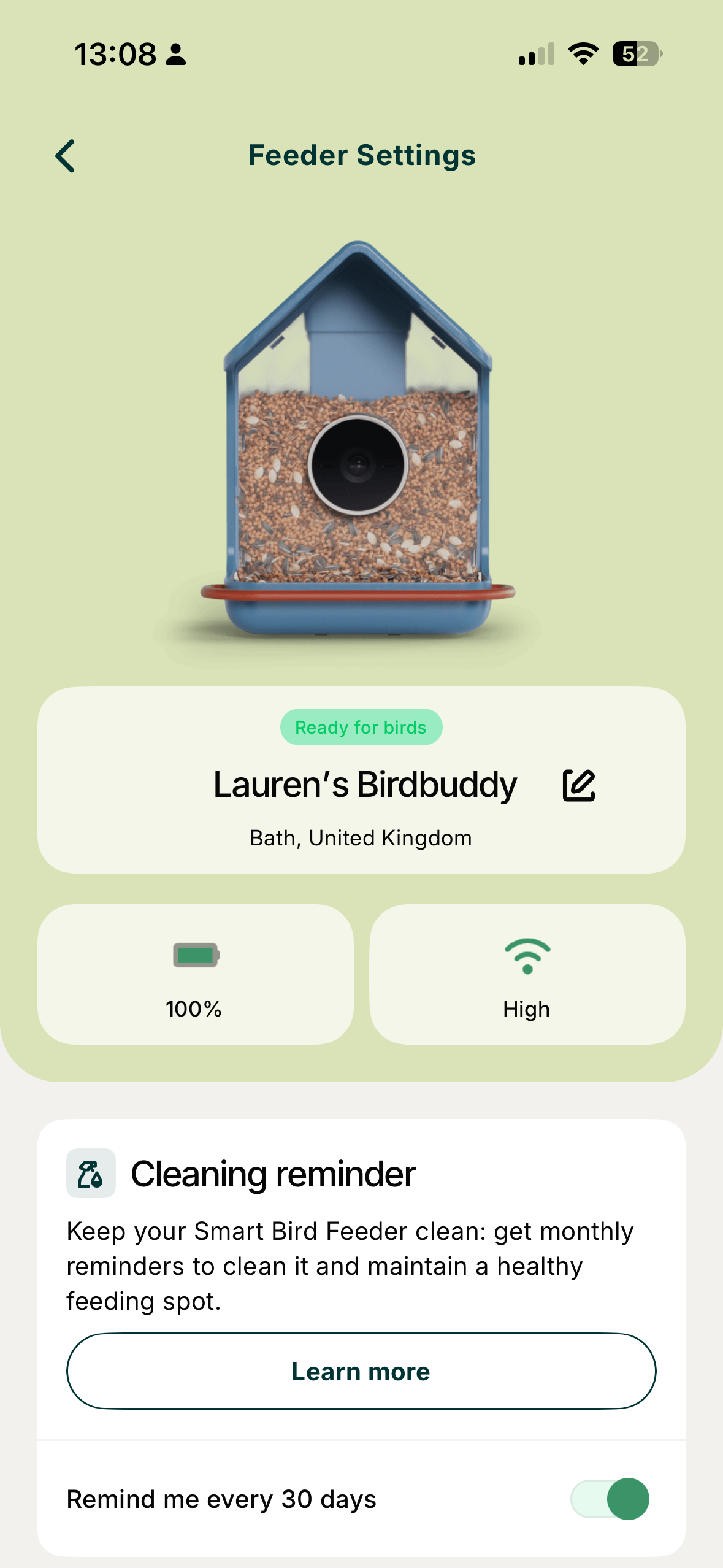
If there’s one good reason to buy the Bird Buddy 2, it is the battery performance. Over six months of continuous outdoor use, the solar roof kept the battery topped up continuously and is still at 100% as I write this review. I haven't needed to bring the camera inside to plug it into a wall outlet even once—a massive win for an outdoor smart device—even if I have had to bring it in for cleaning and firmware updates.
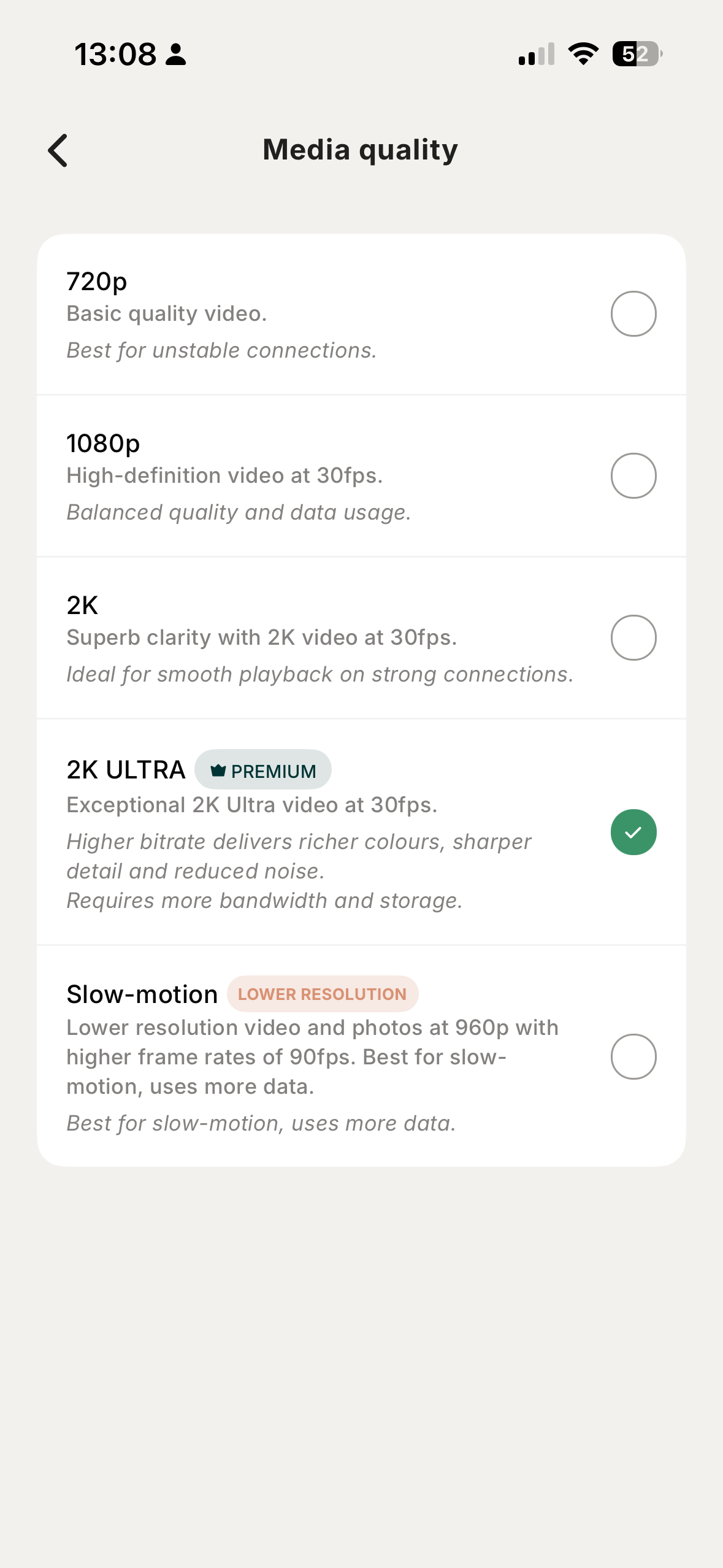
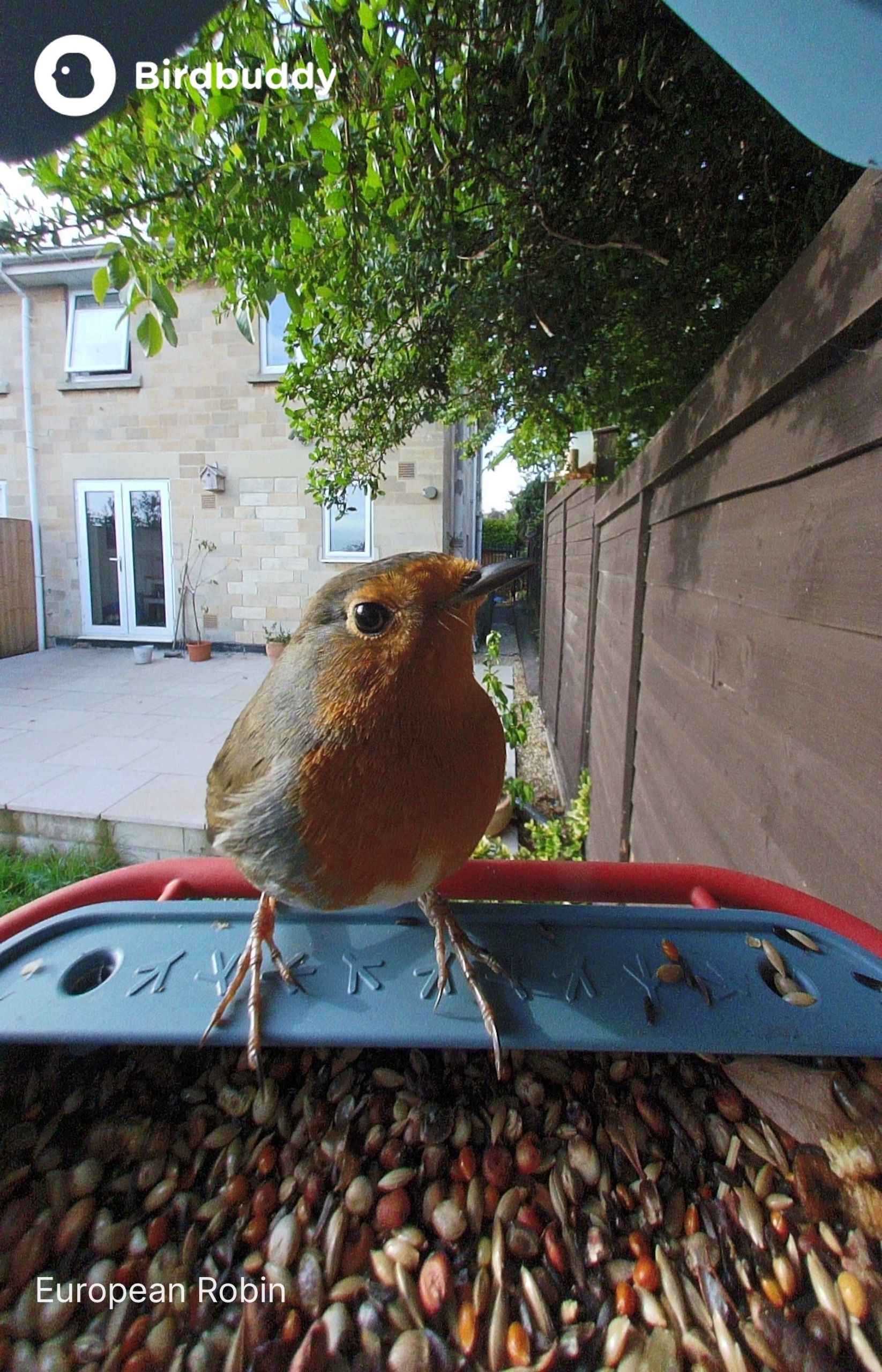
Like any camera, the Bird Buddy 2’s image quality depends on the light quality. When mounted in gentle, direct sunlight, I found the 1080p videos and 5MP photos captured were crisp and vibrant. Close-ups show some feather textures, eye reflections, and accurate colors, particularly on bright birds like blue tits. The 2K Ultra footage (available to premium users) truly has the sharp look you might expect at a $299 / £300 price point.
For smartphone viewing and social media sharing, both the 1080p and 2K Ultra clips look great – colorful, sharp, instantly recognizable, and easy to download and share to your camera roll. It's a shame that the downloaded images have the Bird Buddy watermark, but this isn't unique to the brand.
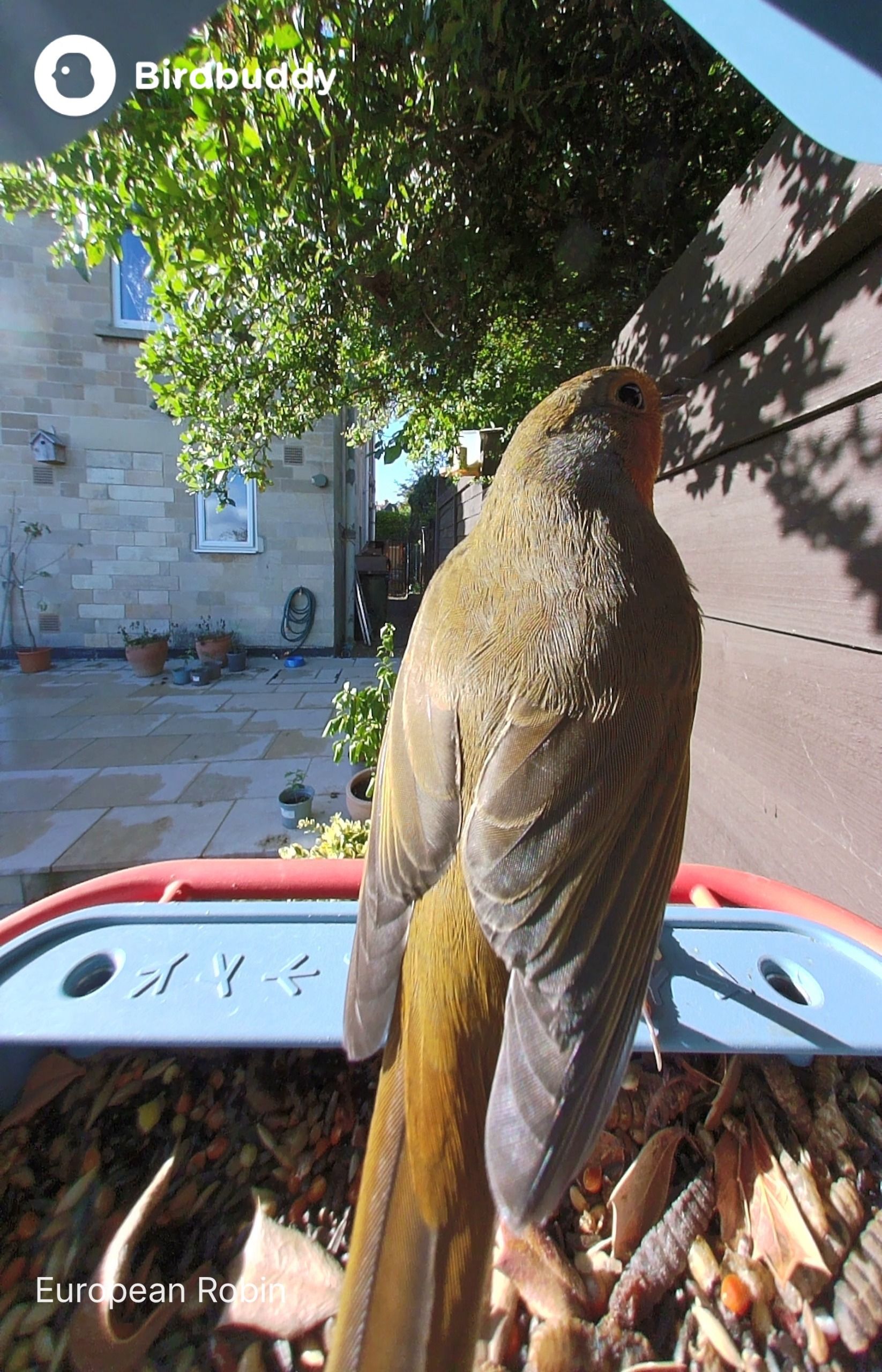
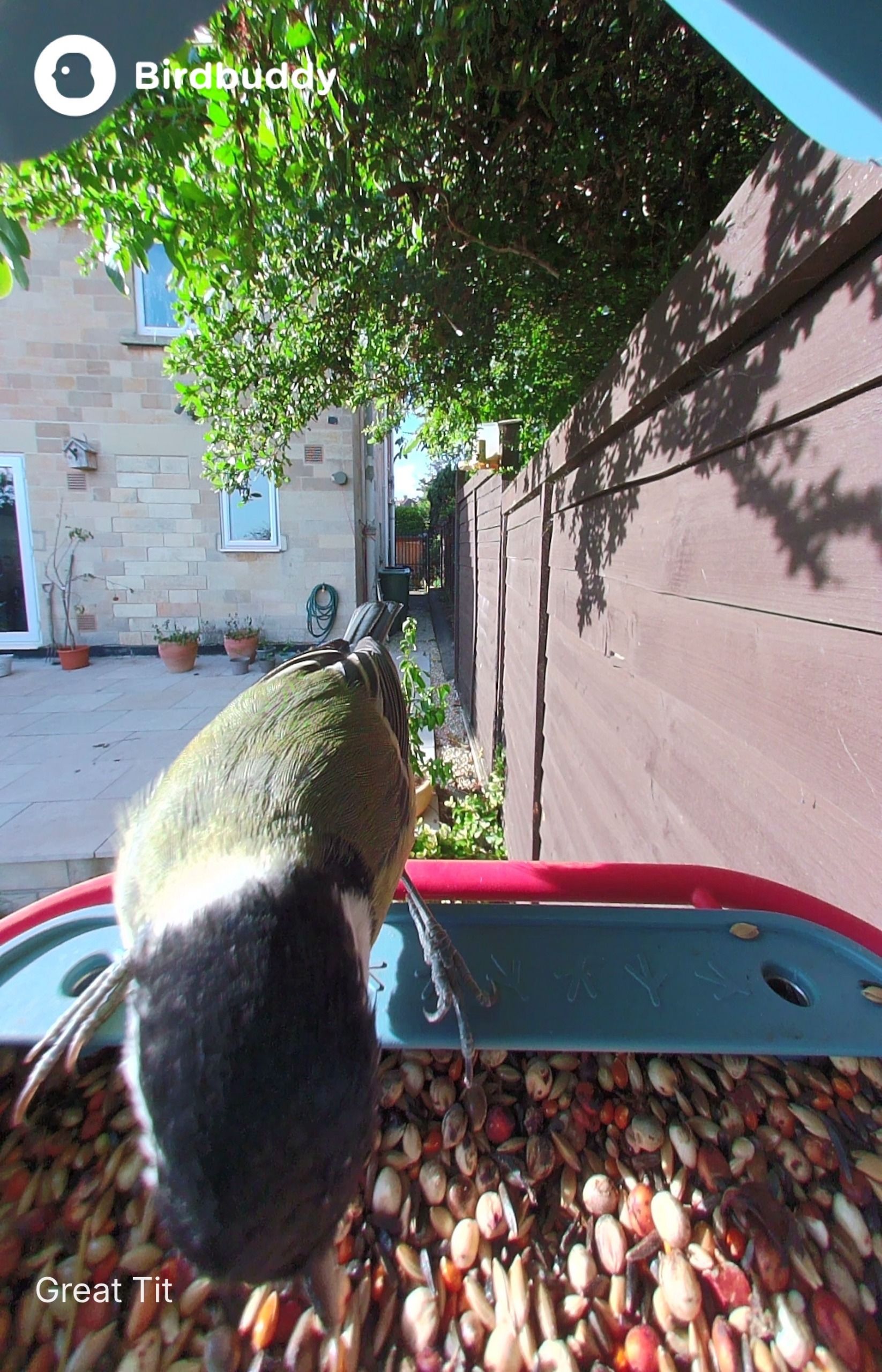
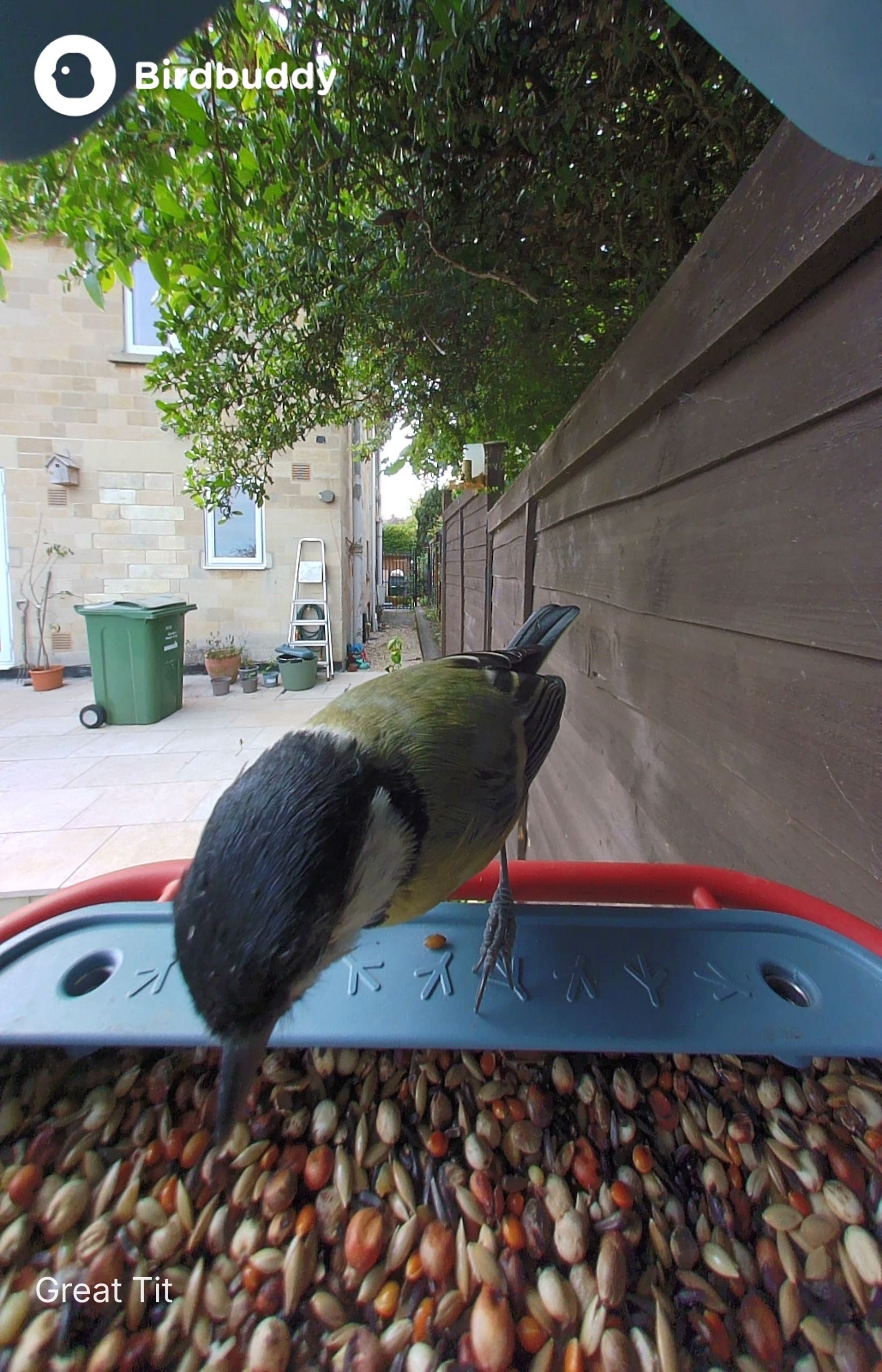
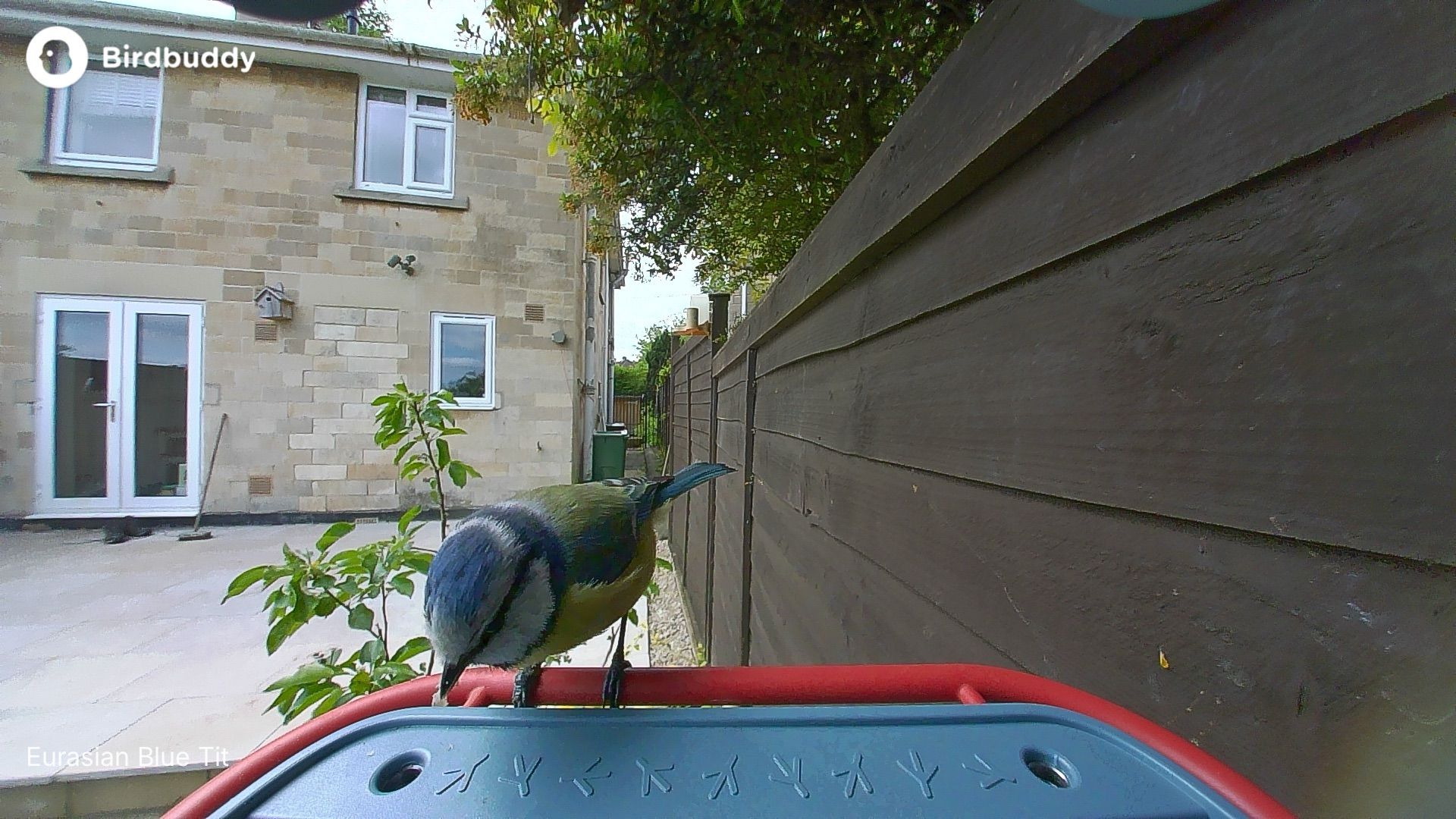
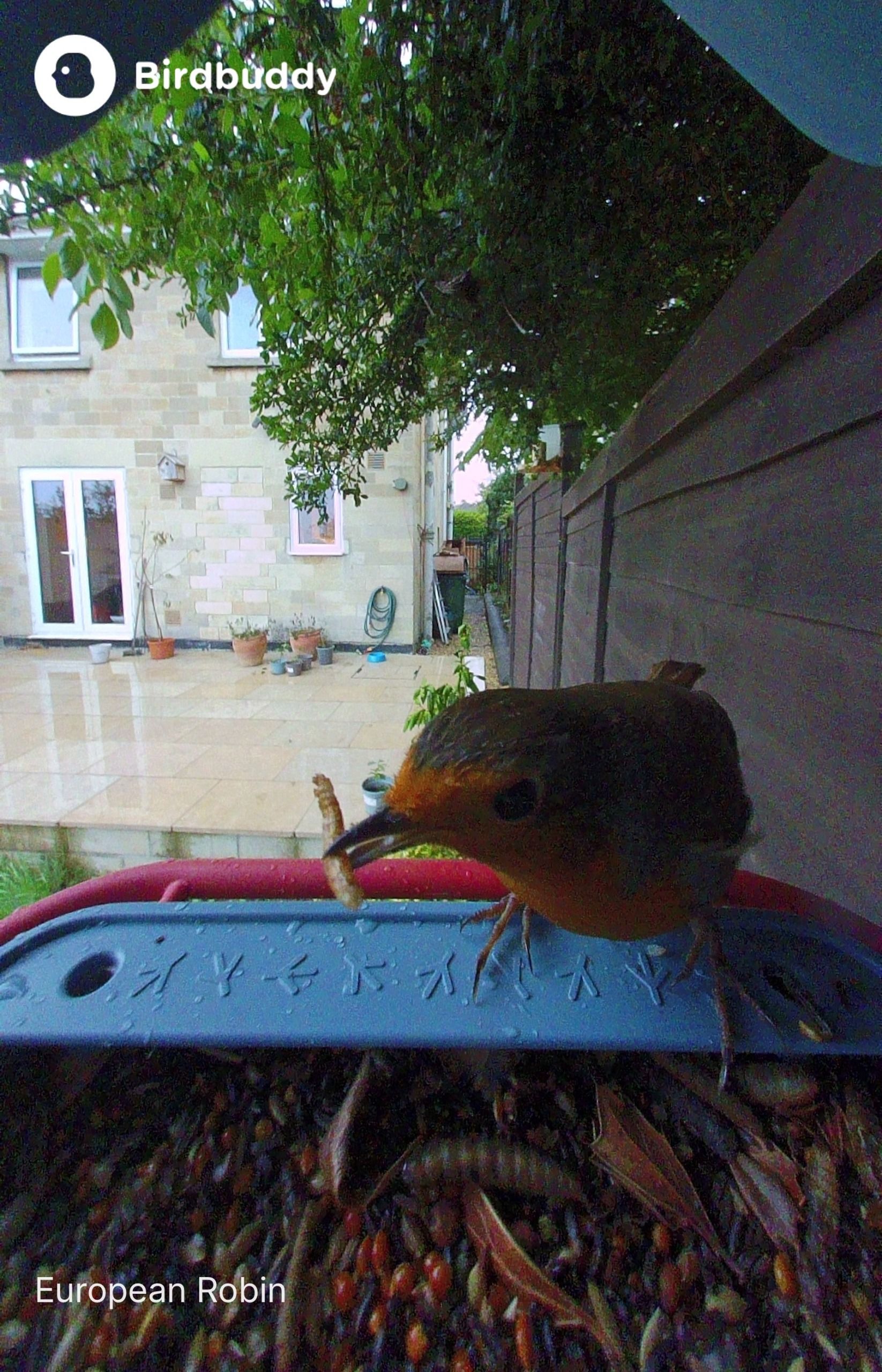
The wider 135-degree field of view also gives a nice sense of surrounding garden action, but I still find it frustrating how much of the bird gets cut off when sat straight in the feeder.
Like most small-sensor outdoor cameras, image quality drops off noticeably in flat or shaded light, and noise becomes noticeable. In high-contrast situations (like bright sun filtering through trees), the dynamic range struggles, leading to blown-out highlights or heavy shadows on dark-plumaged birds. The built-in microphone is clean enough for the app's AI audio identification features to work effectively.
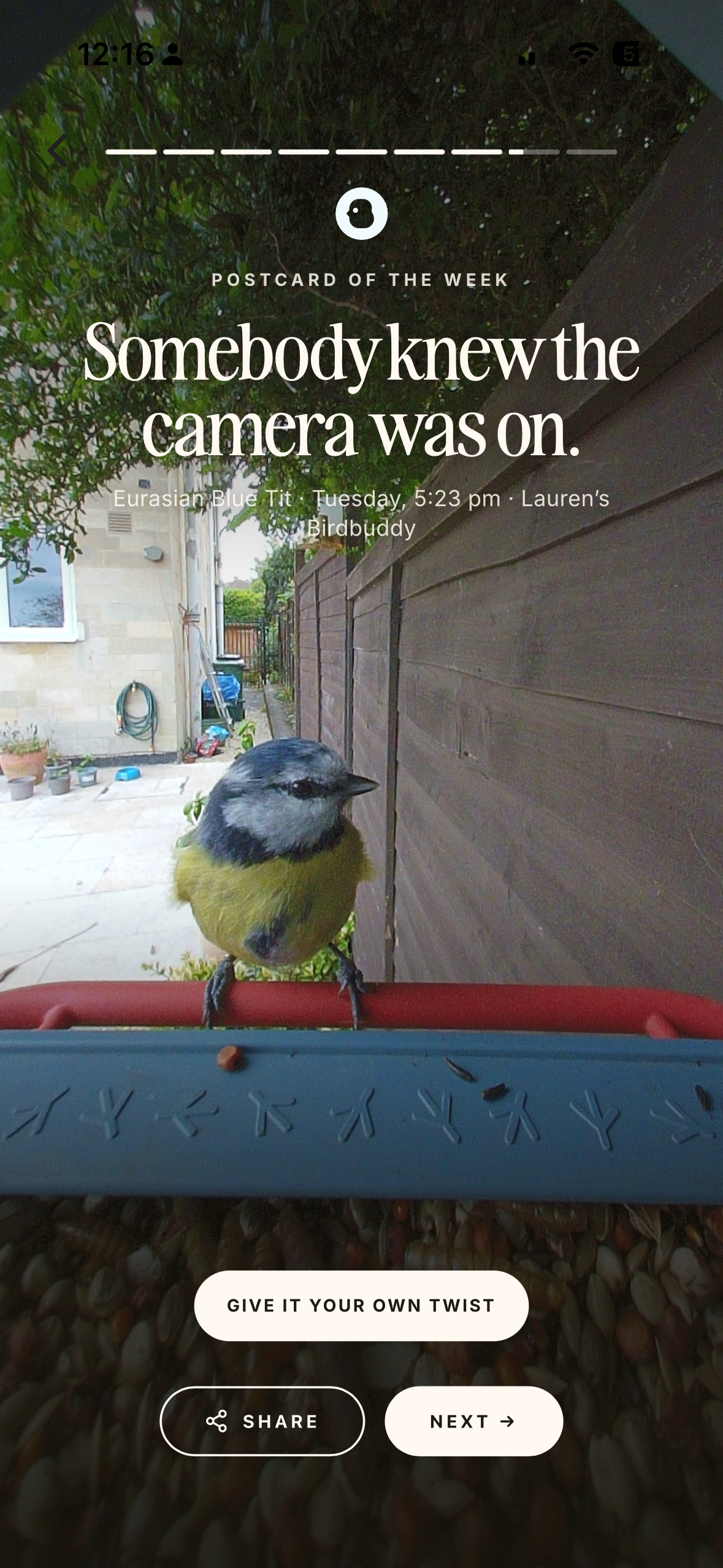
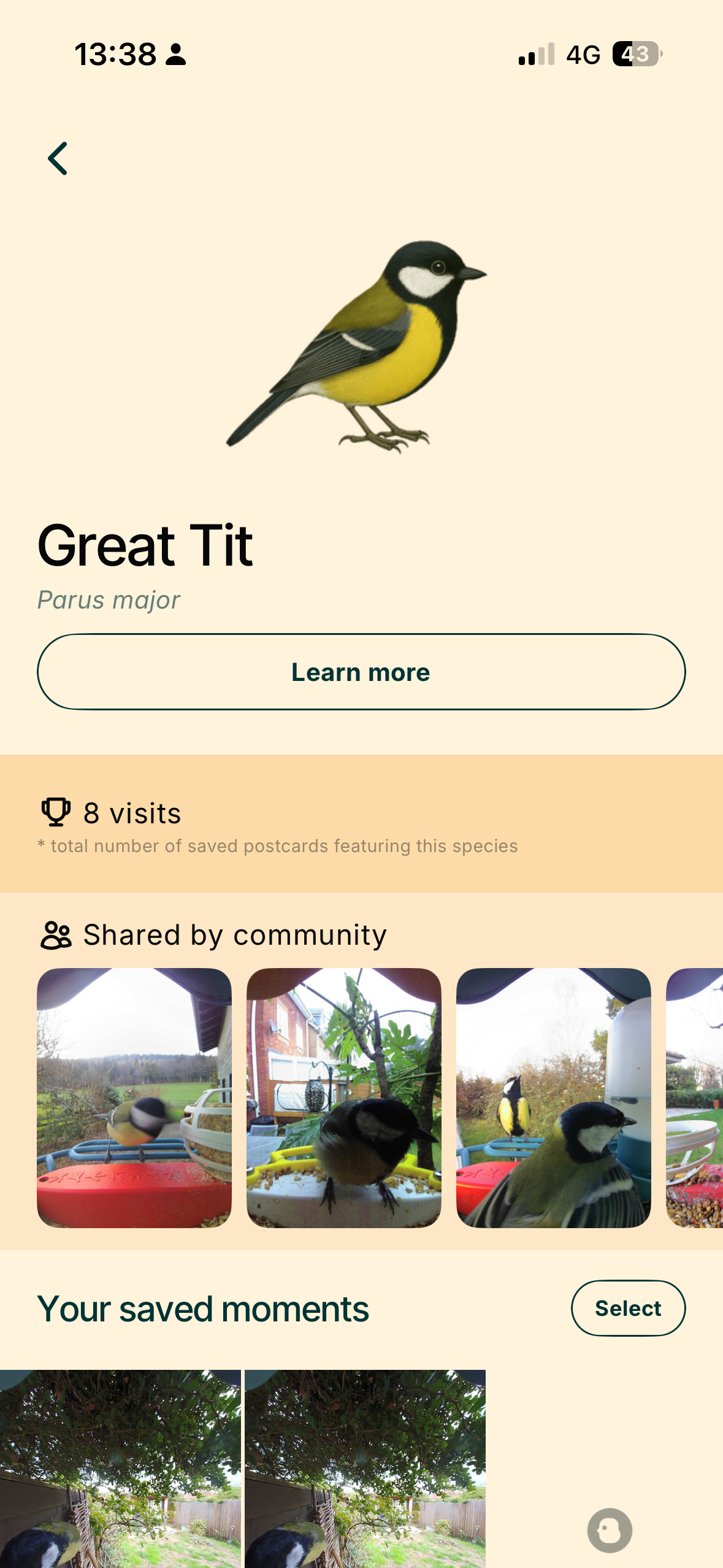
As for AI species identification, only a handful of entries weren't identified, usually because the bird in question (Common wood pigeon) was too close to the camera, but you can edit the species manually if you want. When it does trigger automatically, however, the digital Postcards are delightful. Instead of spamming your phone with hundreds of motion-alert notifications like standard security cameras, the AI compiles a daily highlight reel with accurate species identification. It turns checking your garden activity into an enjoyable daily routine rather than notification clutter.
Detection consistency is an area needing refinement. The app prioritizes simplicity over granular controls, which means you can’t adjust the camera's sleep and wake hours. As a result, the feeder frequently stayed asleep past dawn, missing early-morning feeding rushes.
Even when I toggled it to Frenzy Mode for maximum recording sensitivity, the feeder frequently ignored birds clearly visible with the naked eye. Live streaming initially suffered similar latency issues, often taking 15 to 20 seconds to establish a connection, but improved with time. Maybe like the hobby of birdwatching itself, the Bird Buddy 2 just requires a bit of patience and learning to get into the swing of things.
Should you buy the Bird Buddy 2?
Buy it if...
You want to swap camera orientations
The twistable magnetic camera unit lets you instantly swap between 9:16 portrait (good for socials) and 16:9 landscape framing to suit your preference, common species or photo collection. No app required.
You want a stylish, low-maintenance design
The integrated solar roof kept my camera fully powered for over six months without ever needing to bring the unit inside to charge. The housing stands up to the weather well, is easy to wipe down, and I think it looks good despite being made from plastic instead of wood.
Don't buy it if...
You want to capture a log of every visitor
The detection rate can be sporadic even in Frenzy Mode, and fixed sleeping hours mean the camera might miss early morning visits. If you're a birdwatching purist who wants a complete log of garden visitors, options like the Birdfy range are more steadfast trackers.
You want round-the-clock watching
The Bird Buddy 2 enters a power-saving sleep state at dusk, whereas some rivals in the Birdfy line, the NatureSpy BirdCam and smaller brands have infrared sensors to capture night vision.
Also consider
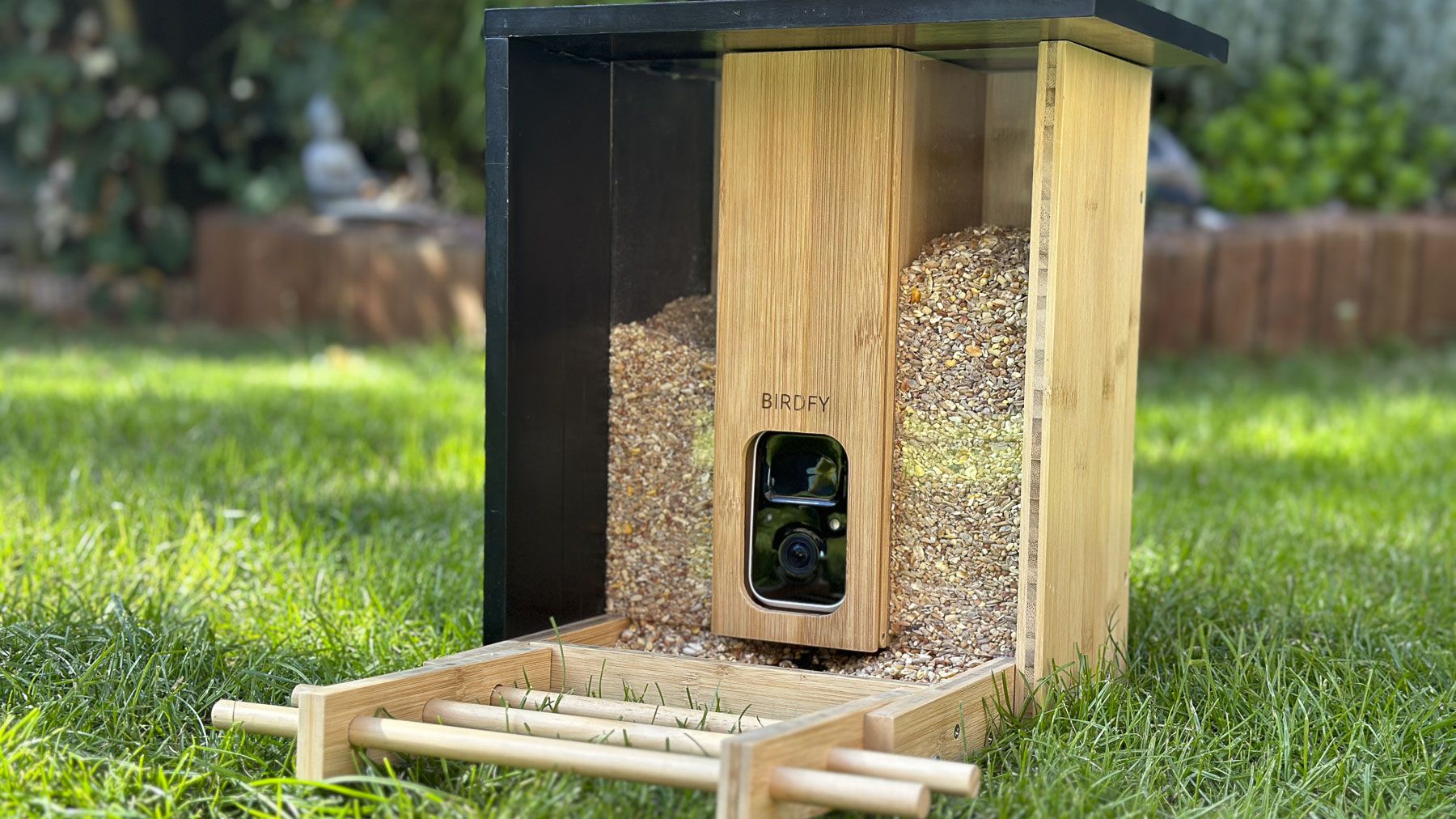
Birdfy Bamboo
If the Bird Buddy is a little too loud and plastic an ornament for you, Netvue's bamboo-constructed option is for bird watchers hoping for something more naturalistic in design. It's built from sustainable bamboo boards and looks far more integrated in a traditional garden setting. You still get AI species identification, while the app is slightly more home-security-style, but it's still a full-featured HD feeder camera. Just note that because it's real wood, it needs more upkeep and is more likely to be chewed by squirrels.
Read our Netvue Birdfy Bamboo reviewView Deal
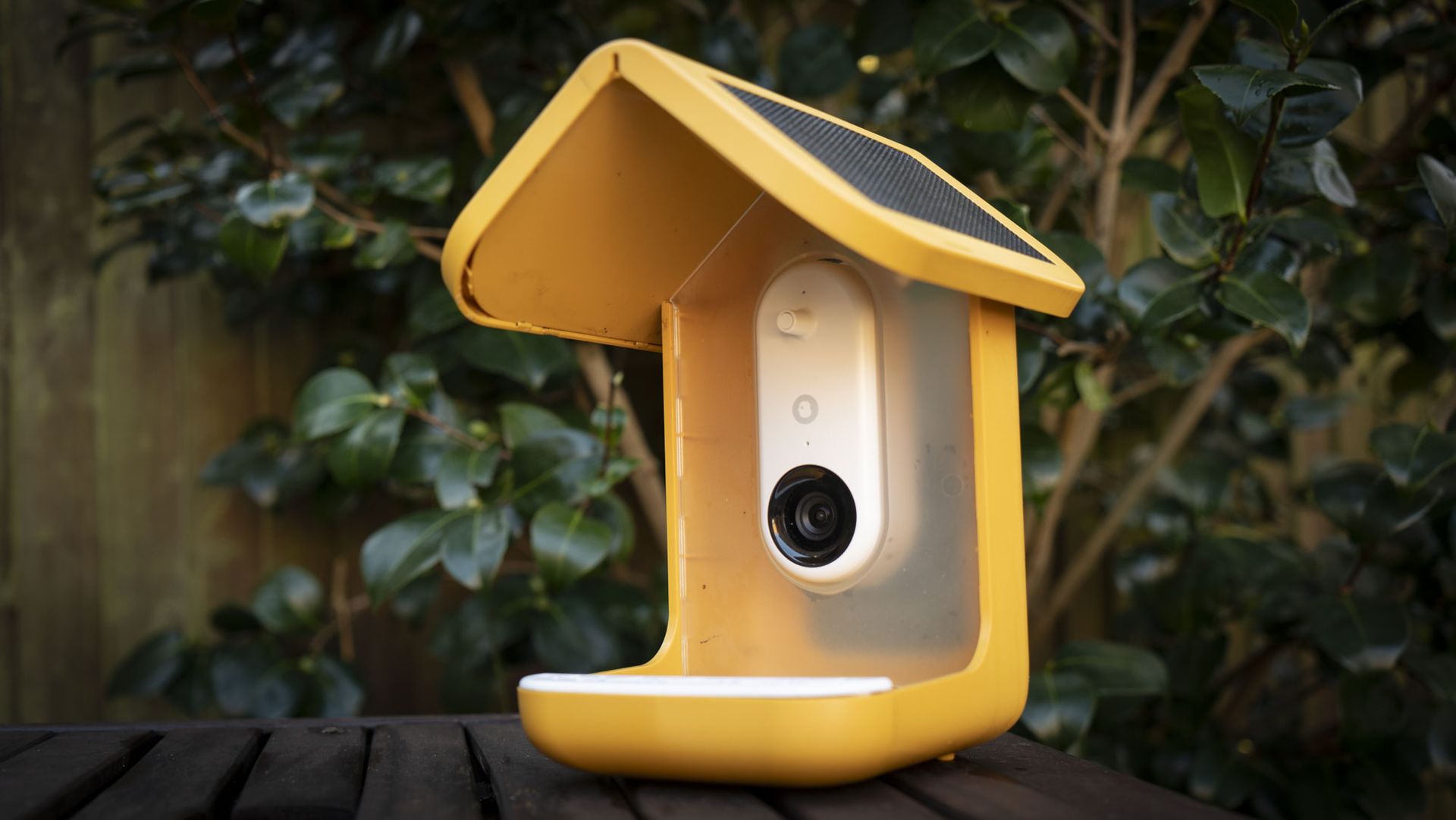
Bird Buddy Pro (with solar roof)
The Pro version with a solar roof is a similar proposition to the Bird Buddy 2 but slightly cheaper. The Pro Solar has the same set-and-forget power potential, meaning you can forget about charging for months. The camera is vertical-only, meaning you miss out on landscape mode. Image quality is on par, with HD video and 5MP images, though 2K is only unlocked by subscription.
Read our Bird Buddy Pro reviewView Deal
How I tested the Bird Buddy 2
- Tested for 6 months
- Hung in a UK garden between April and September
- Tried HD and 2K video and stills
I tested the Bird Buddy 2 for more than 6 months, hanging it from a pole in my UK garden where small birds and squirrels visit regularly through the seasons. I left the feeder in the same spot, only bringing it inside briefly once a month for cleaning.
I paired the feeder to my iPhone 15 Pro using the Bird Buddy app, and set up a nearby Wi-Fi extender in my kitchen to ensure it always had a strong connection. I tested the feeder's reliability for recording sightings, assessed the AI recognition and tested all the features and settings available in the Bird Buddy app.
Before May, I filled up the feeder more fully with a premium garden bird seed mix. During the summer months, I followed RSPB guidance on feeding birds and left small amounts of mealworms and suet in the base of the feeder.
First reviewed October 2026


